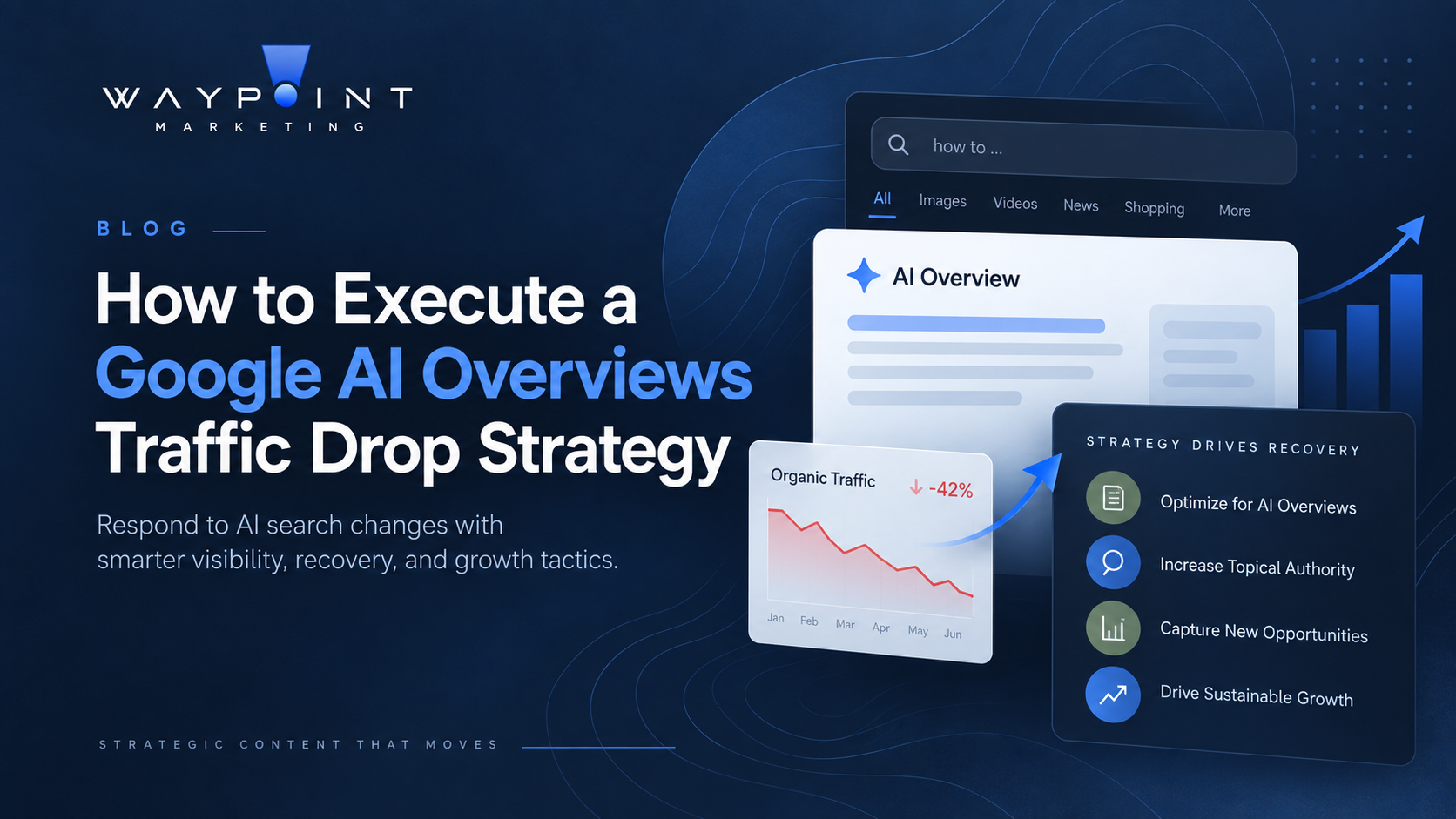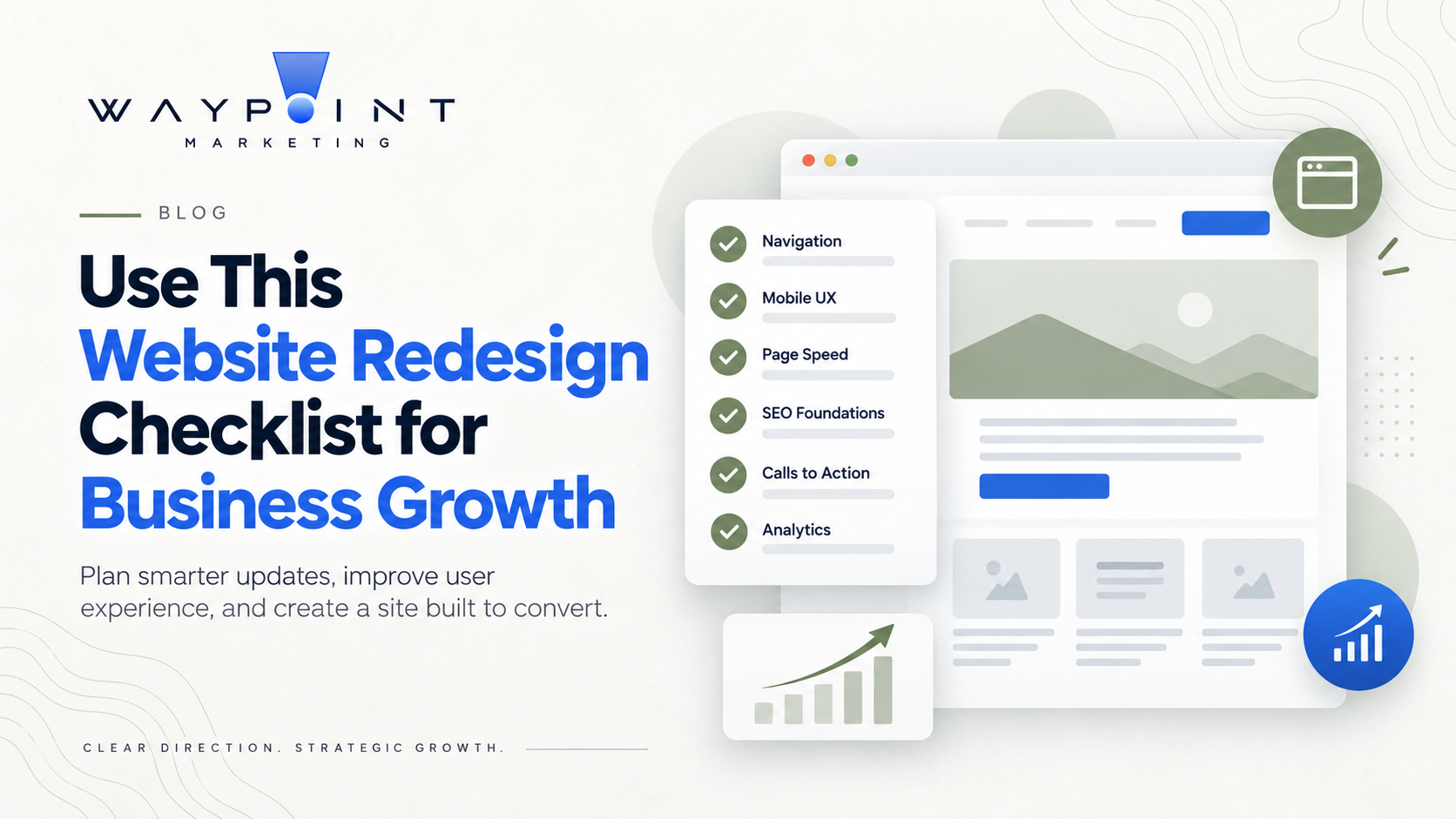
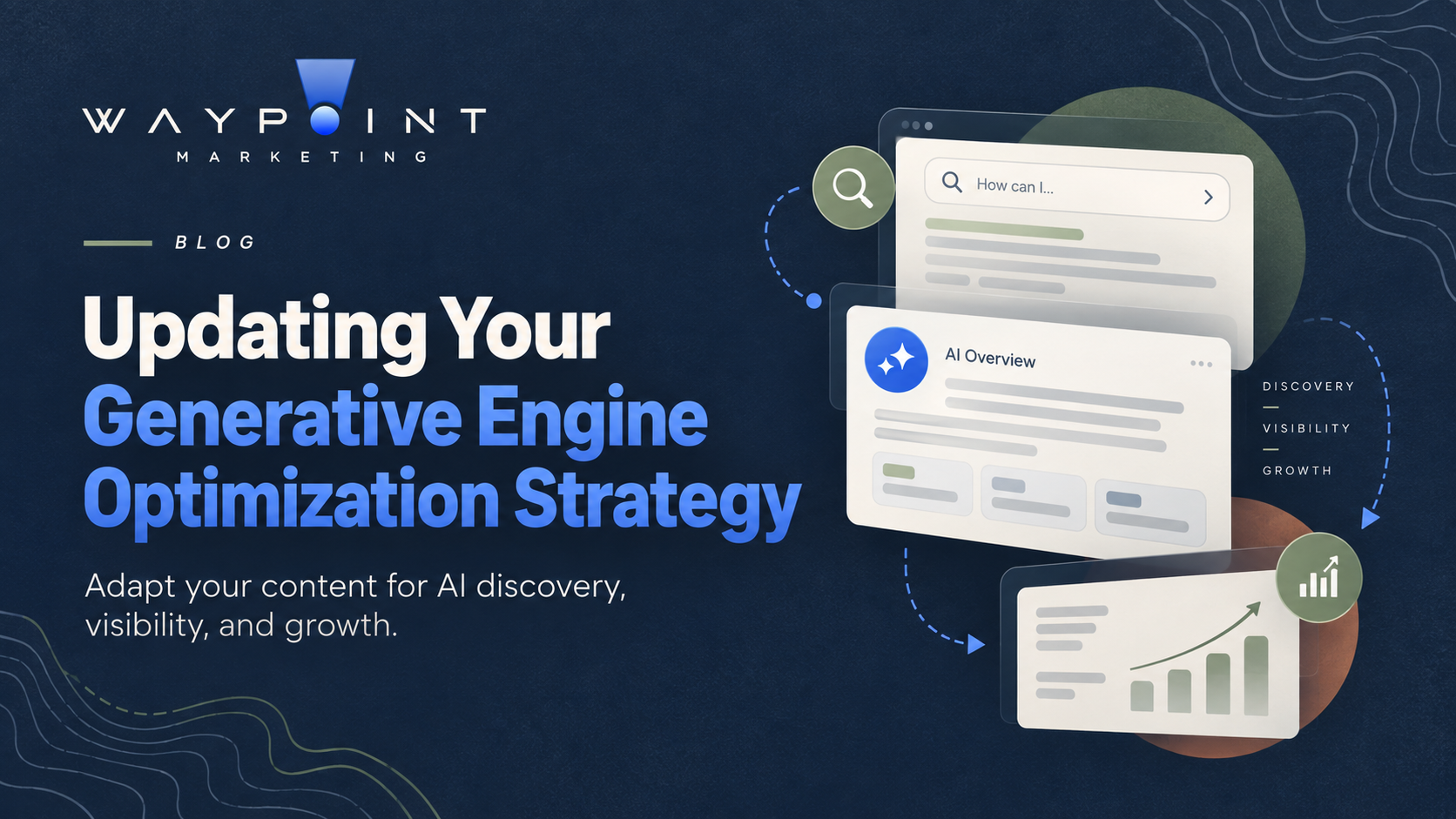
Buyers are changing how they research solutions, evaluate providers, and make major purchasing decisions. Instead of scanning a page of ten blue links on traditional search engines, your prospective clients are asking ChatGPT, Perplexity, or Google Gemini for direct recommendations. If your company isn't included in that synthesized answer, you simply don't exist in that buyer's evaluation process. Updating your generative engine optimization strategy is no longer a forward-looking experiment—it is a critical requirement for maintaining revenue growth. Business operators who adapt today will secure their place in front of qualified buyers, while competitors wonder why traditional organic web traffic is steadily declining.
How AI Engines Select Recommended Brands
To build real brand visibility in ChatGPT and alternative platforms, you have to understand how large language models (LLMs) assemble answers. Traditional search engines retrieve pages based primarily on keyword matching, technical site structure, and backlink popularity. AI engines, on the other hand, crawl and synthesize vast amounts of information to generate a single, direct response. They favor clear context, trusted third-party citations, and consistent facts across multiple web sources.
When prospective buyers ask how to rank in Perplexity or how ChatGPT decides which vendors to highlight, the answer comes down to digital consensus. If enterprise publications, review platforms, trade associations, and structured databases state that your company specializes in mid-market logistics software, the LLM accepts that as a verified fact. If your online footprint is fragmented or missing from third-party ecosystems, the model will pass you over for a competitor with clearer digital signals.
Core Components of a Generative Engine Optimization Strategy
A successful generative engine optimization strategy requires shifting your publishing focus from keyword density to answer clarity. When optimizing content for AI search, your digital assets must address specific operational questions directly, accurately, and without promotional filler.
AI models extract information best when it is structured logically. That means using clean heading hierarchies, concise bullet points, direct definitions, and authoritative data. Instead of publishing surface-level blog posts, focus on detailed resource hubs, comparative frameworks, and original industry data. Integrating an intentional content and creative strategy ensures your material is engineered for machine comprehension while remaining engaging for executive readers.
Why Third-Party Validation Matters for AI Search Marketing for B2B
In AI search marketing for B2B, what you say on your own website is only half the equation. Large language models prioritize external verification to prevent hallucinating incorrect claims. They cross-reference your owned media against industry news articles, customer reviews, podcast transcripts, business directories, and independent coverage.
If you want your company recommended when an executive prompts an AI tool for top service providers, your off-site footprint must reinforce your positioning. This makes earned media, digital PR, and ecosystem presence just as vital as on-page SEO. Aligning your external reputation with your core brand strategy builds the cross-web consensus that LLMs require before presenting your business as an industry leader.
Technical Web Architecture That AI Crawlers Can Read
Even high-quality messaging will fall short if AI web crawlers cannot parse your site effectively. Generative engines rely on clear technical structures—such as Schema.org structured data markup, clean semantic HTML, and fast response times—to extract facts without friction.
- Structured Data Markup: Implement explicit organization, product, service, and FAQ schemas so bots understand exactly what you offer.
- Semantic Formatting: Use standardized HTML structures (headers, lists, and semantic tags) to separate primary facts from secondary context.
- Crawler Accessibility: Ensure your website robots.txt files and security settings do not inadvertently block AI crawlers like GPTBot or PerplexityBot.
Upgrading your overall website design and development ensures these underlying technical layers are configured correctly, giving AI engines direct access to your location, capabilities, leadership, and value proposition.
Measuring Visibility in the Future of SEO for Business Operators
Understanding the future of SEO for business operators means changing how your team measures success. Traditional metrics like keyword rank tracking and raw click-through rates only tell part of the story when buyers get answers directly inside an AI prompt window without needing to click a site link.
Instead of relying solely on position reports, marketing teams must monitor brand sentiment, share of voice within target AI prompts, and direct referral traffic from LLM interfaces. Regularly test queries your target buyers would use, record how often your business is cited, and map those interactions against actual pipeline generation. Combining qualitative AI auditing with dedicated analytics and reporting gives business leaders an accurate view of market presence and customer acquisition costs.
The way buyers find and evaluate business partners has shifted, but the core business objective remains the same: being visible, credible, and clear when a prospect is ready to buy. By auditing your online footprint, structuring your digital assets for machine readability, and building external authority, you protect your market share and capture demand across both traditional and AI-driven platforms. Modernize your search strategy today to ensure your business remains the clear answer for your next client.